
How Rocks Come to Life: The Magic of Stone Paintings by Scarpellli Mosaici
August 10, 2026
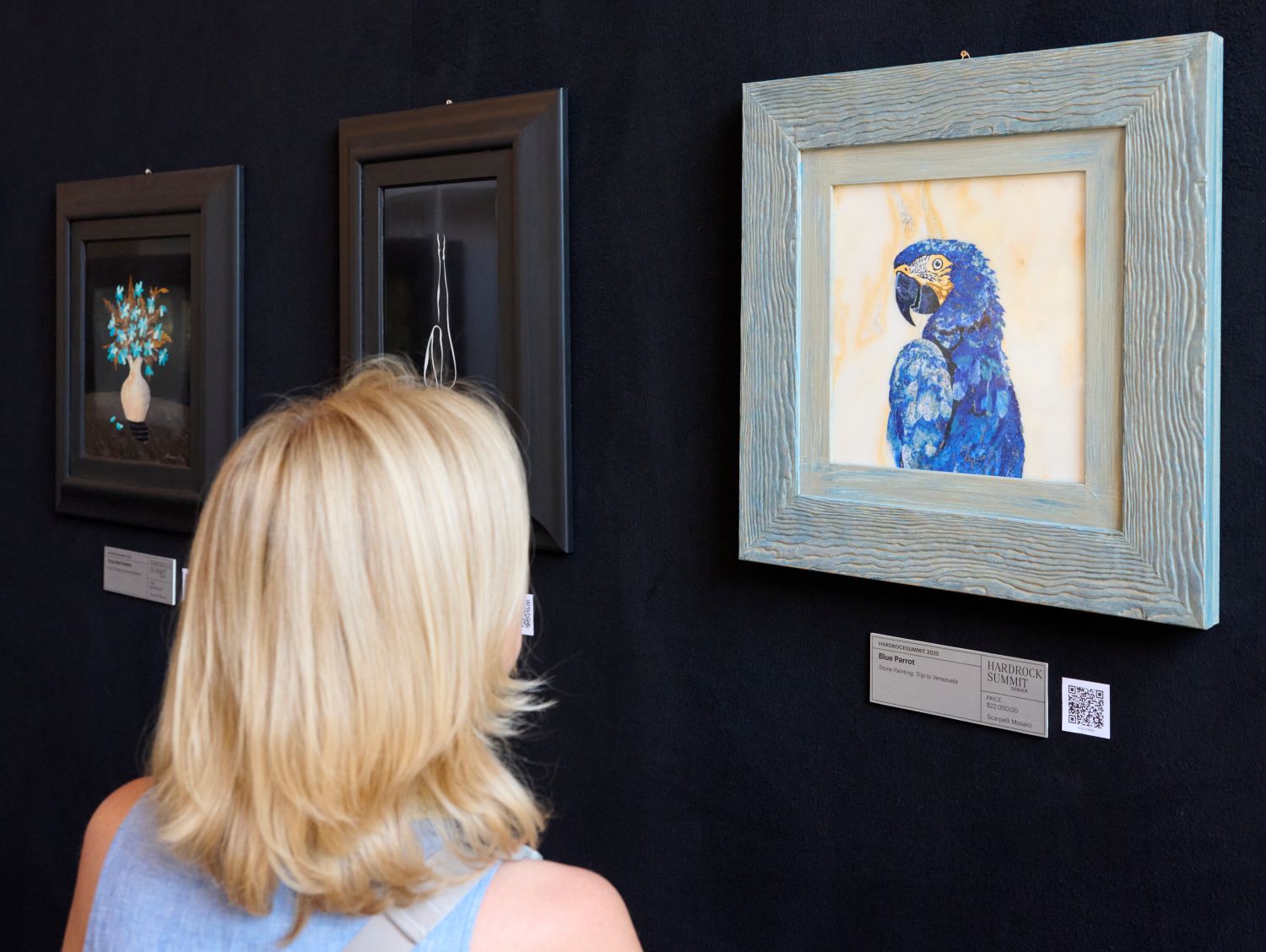
Exclusive exhibition celebrating ten years in the Mineral community, and the 250 years of independence of the USA
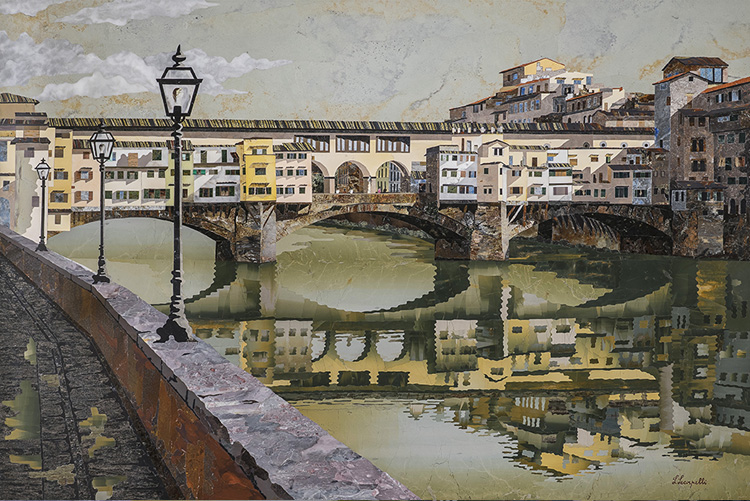
Exclusively on display for the Hardrock Summit 2026, Scarpelli Mosaici will display their most treasured piece of familial heritage, the world-famous family heritage artwork “Ponte Vecchio”, alongside another incredible piece dedicated to the History of America, “Washington crossing the Delaware”.

Pietre Dure and Commesso Fiorentino: Centuries Old Italian Traditions
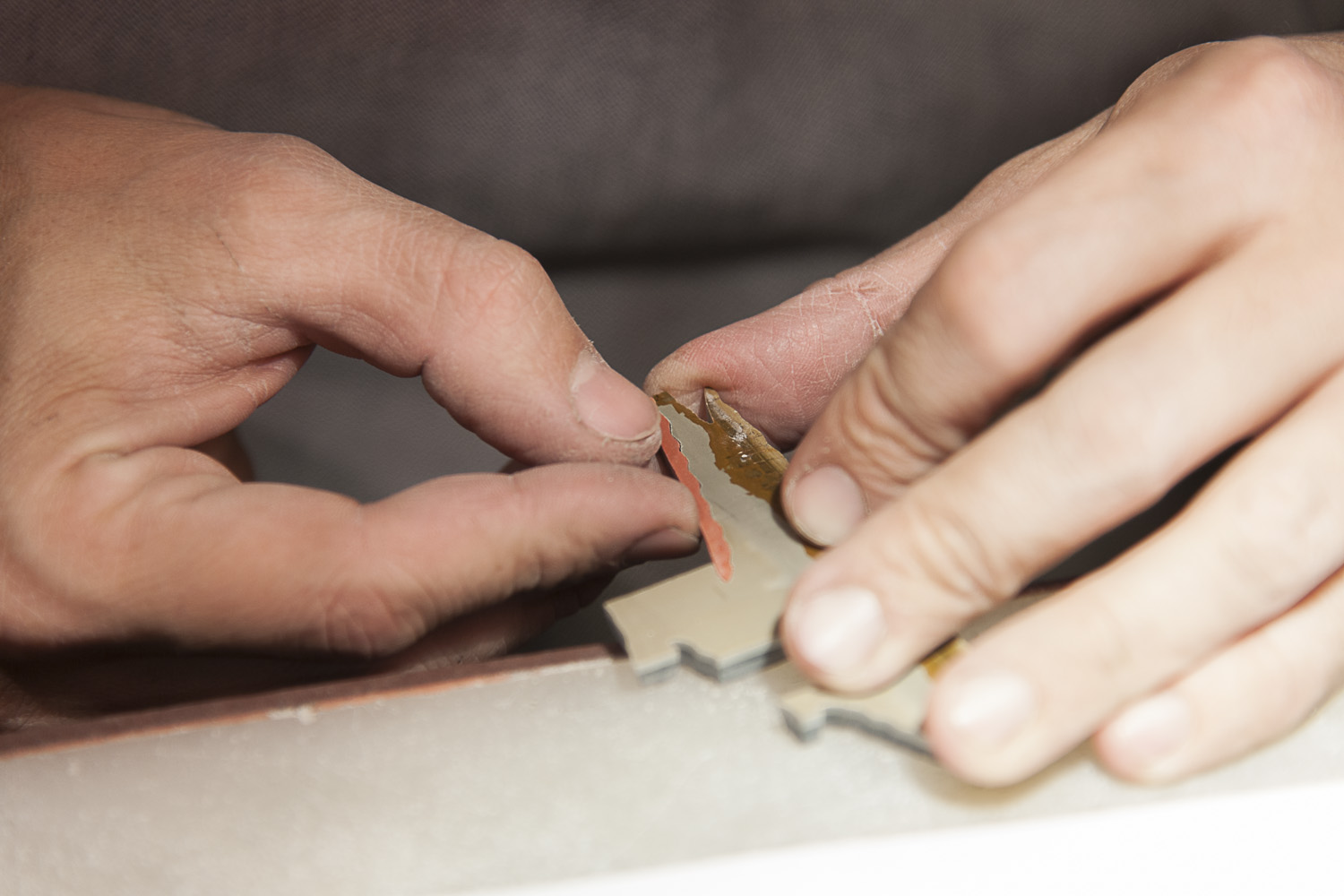
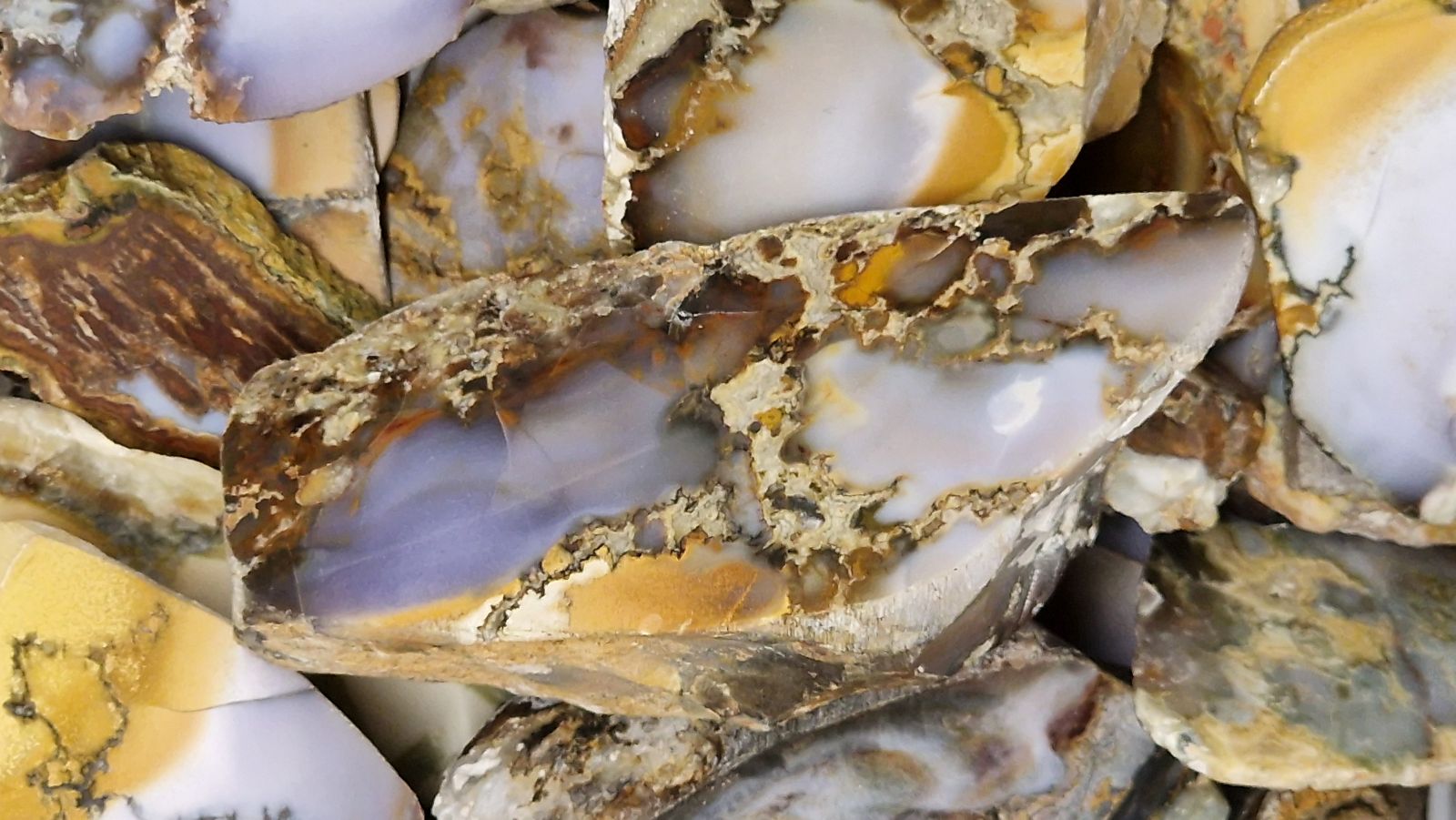
The tradition of mosaic making, known as opus sectile, dates back to the Roman Empire, where it was originally used for architectural decoration. Throughout the history of the decorative arts, mosaic as an artistic medium spread across Europe before gradually falling out of fashion for several centuries. It was only after the discovery of Roman archaeological sites at the end of the sixteenth century that the use of precious hard stones experienced a revival. These discoveries inspired a new generation of artists and craftsmen, leading to the flourishing of Pietre Dure, a refined artistic practice that introduced innovative techniques for cutting and assembling stone.
Thanks to its ability to create remarkably intricate compositions with vibrant colours and a wide variety of subjects, Pietre Dure became highly sought after during the Renaissance. Workshops dedicated to this exceptional craft emerged throughout Italy, particularly in Rome and Florence.
Favoured by influential patrons such as the Medici family, Pietre Dure was initially used to decorate palaces and chapels before becoming more widely appreciated. Many masterpieces were presented as diplomatic gifts to European courts, often taking the form of decorative panels or elaborate tabletops.
The workshops of Florence quickly gained international recognition for the outstanding quality of their craftsmanship, establishing the city as the centre of Pietre Dure. Over time, Florence developed its own distinctive style, known as Commesso Fiorentino. This style is characterised by intricate, high contrast compositions, vivid colours, and traditional motifs inspired by nature, including flowers, birds, and other elements of the natural world.
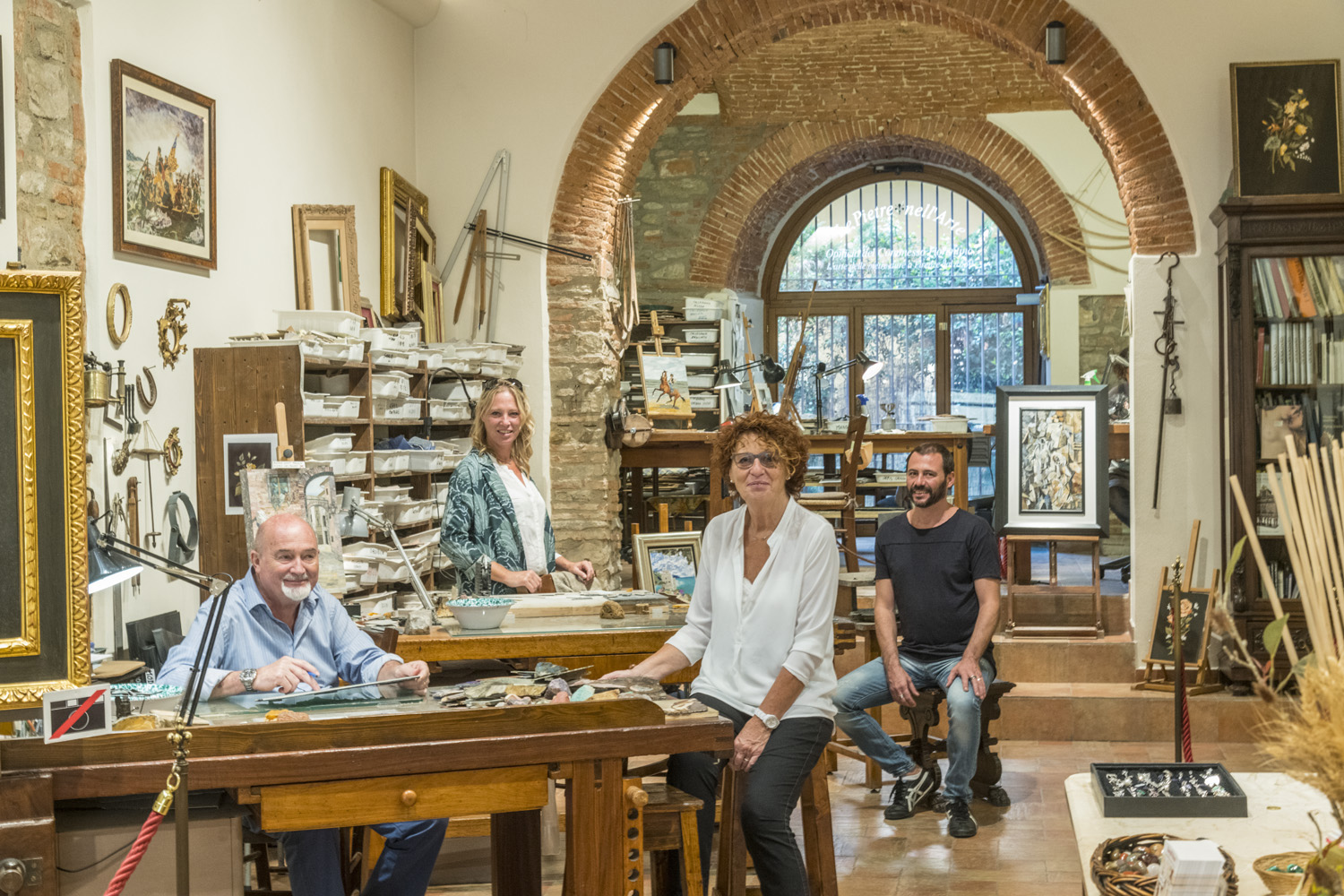
The Scarpelli Family
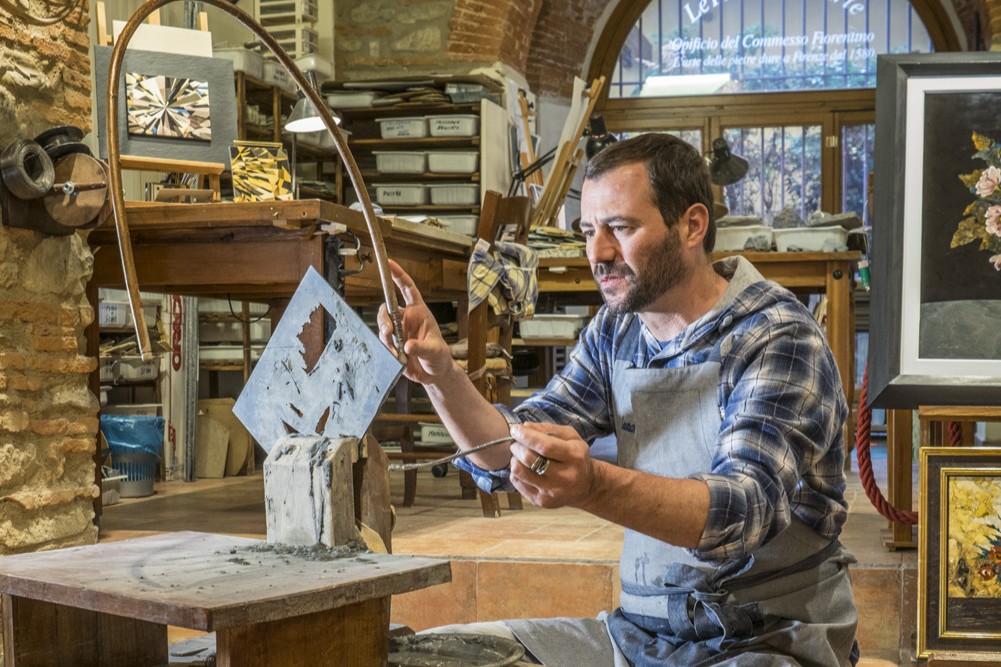
Continuing the centuries old tradition of Commesso Fiorentino, Renzo Scarpelli founded Scarpelli Mosaici in 1972. Today, the family business is led by Catia and Leonardo Scarpelli, who are dedicated to expanding the artistic possibilities of this remarkable craft while preserving its rich heritage.
By combining Leonardo's contemporary artistic vision with Catia's leadership in business strategy and communications, they continue to preserve and advance the tradition of Commesso Fiorentino from their workshop in the heart of Florence. Through their work, they build a connection between centuries old craftsmanship and contemporary design, sharing this extraordinary artistic heritage with audiences around the world.